
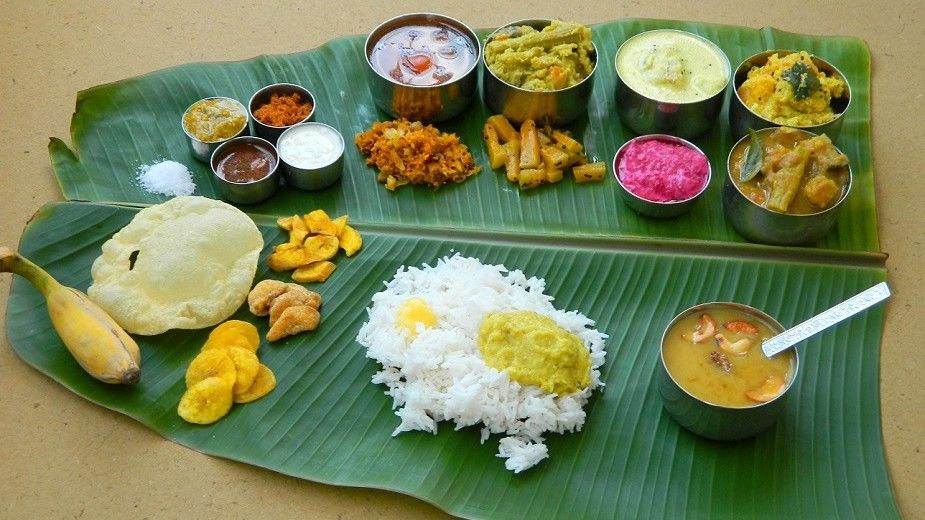
Nourishing recipes from India and around the world, made healthier.
We’re Malathy and Venu, two home cooks who changed the way we eat and felt the difference. Since 2016 we’ve been sharing the Indian dishes we grew up with, plus healthy favorites from around the world like soups, salads and smoothies, made simpler and healthier for busy lives: whole grains, fresh vegetables, homemade spices and less oil. Every recipe is cooked and tested in our own kitchen, with nutrition info on every one, alongside simple yoga and wellness habits that fit a busy week. Count nutrition, not calories!
LATEST RECIPES
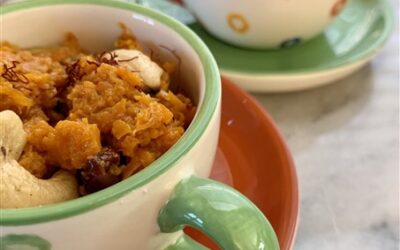
Creamy Instant Pot Carrot (Gajar) Halwa
Made with the freshest and minimal ingredients, this easy carrot dessert is sure to be a family favorite.
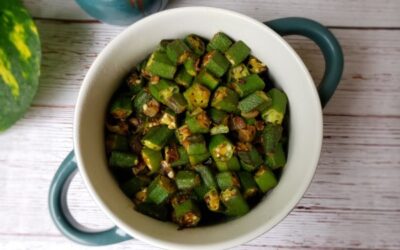
Bhindi (Okra) Ki Bhujia
This North Indian style sautéed okra is delicious. Have it with roti or steamed rice, try it with your taco or flatbread. Very yummy!
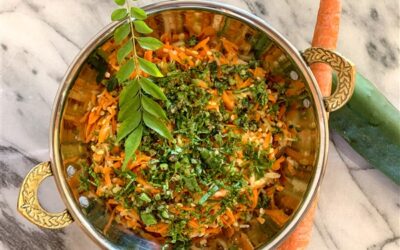
Delicious Carrot-Cucumber Kosumbari Salad
Easy to make, this traditional South Indian spicy and tangy carrot-cucumber salad can now become part of your healthy lifestyle.
LIFESTYLE

4 Unexpected Benefits of Ghee (Clarified Butter)
A staple in traditional Indian cooking and Ayurvedic medicine, ghee is made through a simple process of boiling butter and then pouring off the butterfat, leaving behind the proteins (casein and whey) and the milk solids (which includes lactose). What’s left is also...
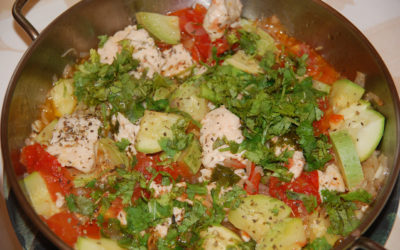
Is there a ‘best’ way to cook food?
It’s true that cooking methods alter the nutritional composition of fruits and vegetables, but that’s not always a bad thing. Several studies have shown that while cooking can degrade some nutrients, it can enhance the availability of others. As a result, no single cooking or preparation method is best, and that includes eating vegetables raw. Read more…
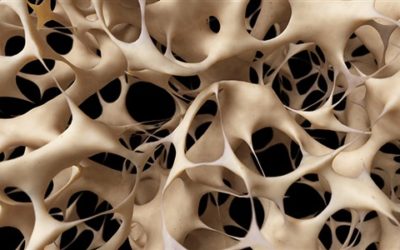
I Have a Bone to Pick!!
If you get a tooth infection, most likely you would be in pain and then see a dentist. Contrary to this, osteoporosis presents no sudden symptoms that suggest something is not right with your bones. It often gets diagnosed after a person breaks a bone as a result of a fall. Osteoporotic bones have lost density or mass. As bones become more porous, they become weaker and cannot take the load that they once could and are more likely to break. In some cases, people would notice they are getting shorter or are developing a curvature in the upper back. Read on to see how you can prevent bone loss.